
Patch notes, world events, and updates from Achaea — delivered to your inbox.
Name Please enter your name. Email Please enter a valid email address.Unsubscribe at any time via the link at the bottom of any email.
The Pariahs of Achaea
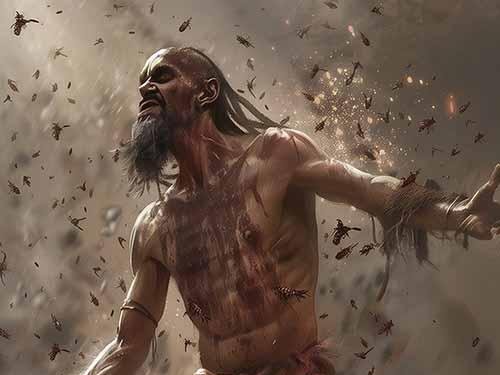
Pariahs are the Accursed. Named by the eminent Hatun of Ghezavat, the Lost Settlement deep in the desert, their powers were unleashed upon the world in 850 AF by the actions of an unwitting yet opportunistic thief. Most Pariahs begin life as simple Magi. The thirst for knowledge often exceeds the moral fibre to pursue it.
Pariah lore and origin
The Pariah suffers no ethical quandaries in the lifelong, or deathlong, quest for power. Having cast off compunction, the Pariah pursues arts considered too profane or taboo for high society. Only in the solitude of the hallowed crypt can the true mysteries of magic be revealed, the deepest secrets of the sand unveiled. The grave is their domain. The revolting and reviled are their companions.
Most Pariahs were Magi first. The shift happens through study of things they shouldn’t have studied: knowledge from Ghezavat, the Lost Settlement, where the Hatun first defined the term. The class is named for what society does to its members: shun them. The Pariah accepts the name and turns it into power.
Swarm and sickness follow the Pariah wherever they walk. The art of Pestilence is simultaneously a living, chittering nightmare and a blight upon the houses. Blood is their ink and air is their canvas: the Memorium symbols of ancient desert tribes serve as deadly lines drawn in the sand. Charnel is where the deepest depths of their sickening sorcery lie. From the heart of remote crypts, guarded by gravel and golem, do they pore over the sacred tablets of Ghezavat and begin to master the end.
What a Pariah does, in plain terms: builds a personal crypt as their seat of power (Crypt, Sarcophagus, Library, Reliquary, Tomb), traces blood-and-air logographs that act as remote curses (Serpent, Scarab, Jackal, Scorpion), unleashes swarms of plague-bearing insects (Sting, Burrow, Scourge), and ultimately reshapes the world around themselves through Charnel’s Accursed Rituals and Workings.
The class is unrestricted by alignment, but Eleusis won’t accept a Pariah. The lore makes the exclusion obvious: Pariahs deal in plague and death; Eleusis deals in Nature and life. Same mutual exclusion as Alchemist, for the same kind of reason.
Signature combat identity: blood, swarm, and crypt
Three things make a Pariah a Pariah.
The first is blood. Memorium is the art of inscribing logographs, symbols from the ancient desert tribes, using blood as ink and air as canvas. Each logograph has a singular purpose: Serpent for venom and fangs, Scarab for insatiable rending, Sun for protector-or-destroyer, Jackal for the jaws that snuff the vital, Scorpion for the striking predator. Heartbeat marks a target’s pulse for their end. Ensorcell binds them in blood and fate. The skill is precise, almost calligraphic: a Pariah in Memorium combat is drawing curses into the air around their enemy.
The second is the swarm. Pestilence wields chitin and plague where other classes wield steel. The Pariah Enthralls insect-swarms and uses them to Sting, Burrow, Infest, and Scourge. Plagues with named diseases (Pyramides, Rebbies, Mycalium, Sandfever) ride on the swarm’s countless wings. The skill turns the Pariah into an outbreak in motion: wherever they walk, the chittering follows.
The third is the crypt. Charnel is where the class becomes fully itself. A Pariah constructs a personal Crypt with Sarcophagus, Library, Reliquary, Tomb, Manifest (a ritual chamber), Passage, Pit, and trap-laden corridors (Trapdoor, Spikes, Crush, Carve). Within the crypt, Accursed Rituals and Workings let the Pariah achieve effects no other class can match: Cryptbound to wake in darkness, Reconstitute, Eternity to spread the influence of the crypt across the land, Embrace as the bane of life, Mirage to mislead pursuers. The capstone, Interment, condemns a victim to eternal stone-bound life: “an eternity to weep.”
This is the deepest tomb-sorcery class in Achaea. Other dark classes summon their power. The Apostate binds a Baalzadeen; the Occultist bargains with Chaos Entities. The Pariah builds. That difference runs through everything the class does.
The three skills of a Pariah
A Pariah commands three skill sets: Memorium, Pestilence, and Charnel. (Per HELP PARIAH, the class skills are gained progressively as the Pariah’s study deepens.)
Signature abilities: Crux, Let, Wrack
There are few mediums as potent in the working of sorcery as blood. The Memorium practitioner wields desert-forged blade in one hand and arcane might in the other. With sanguine ink and air as canvas, they carve their inevitable decrees into the world, one corpse at a time.
The practitioner traces the ancient logographs of the desert tribes, each imbued with singular purpose and empowered by blood. The very beating of the foe’s heart shall beat the march of their demise.
General abilities:
| Ability | Description |
|---|---|
| Crux | From which your will shall spring. |
| Let | A crude but necessary step. |
| Wrack | A basic application of the craft. |
| Expose | Strike when they are vulnerable. |
| Sanguinehand | The arcane guides your hand. |
| Transpose | Blood calls to blood. |
| Jars | A little goes a long way. |
| Blasphemy | With blade and will. |
| Heartbeat | Their pulse shall sound their end. |
| Ensorcell | Bound in blood and fate besides. |
| Quarrel | Blood settles all disputes. |
Higher Sorcery:
| Ability | Description |
|---|---|
| Accelerate | Ever closer to the end. |
| Subversion | Until the well runs dry. |
Logographs (the symbols the Pariah traces):
| Ability | Description |
|---|---|
| Trace | Blood as ink and air as canvas. |
| Serpent | Of deadly fangs and poison. |
| Shield | To ward against the wicked. |
| Fissure | That which sunders. |
| Nest | Of rot and decay. |
| Scales | Balance in all things. |
| Epitaph | To go beyond the singular. |
| Skein | The unravelling thread of life. |
| Leech | To draw out the poison. |
| Scarab | Insatiable. Without mercy. |
| Sun | Protector. Destroyer. |
| Bear | The claws that rend and tear. |
| Jackal | The jaws which snuff the vital. |
| Scorpion | The striking predator of the sands. |
Signature abilities: Detect, Enthrall, Infect
The Pariah is armed wherever they walk: their weapons are not of steel or bronze but of chitin and plague. In the darkness the chittering nightmares wait, enthralled. When the skies turn black and the myriad eyes open, it is time to feast. The sorcerer who raises swarms wields them many ways: sending them to sting, blot out the sky, drown enemies on dry land, or feast from within.
General abilities:
| Ability | Description |
|---|---|
| Detect | That which may fall under your sway. |
| Enthrall | You are the nightmare that crawls and flies. |
| Infect | Your minions carry much. |
| Devour | Leave no scraps. |
| Sacrifice | The price of power. |
| Eclipse | Darkness beneath the writhing clouds. |
| Virulence | Interaction heralds doom. |
Higher Sorcery:
| Ability | Description |
|---|---|
| Sting | Pain that comes on countless wings. |
| Burrow | Into the warm and dark. |
| Extract | Call them home post haste. |
| Infest | Rampant from within. |
| Latency | A bleak future awaits. |
| Scourge | A black fate indeed. |
Plagues (named diseases):
| Ability | Description |
|---|---|
| Pyramides | The body rejects that which sustains. |
| Rebbies | An unpleasant transformative disease. |
| Flushings | Even the vital will be purged. |
| Mycalium | A blight upon this land. |
| Sandfever | A single step is a quest indeed. |
Signature abilities: Crypt, Sarcophagus, Plunder
All sorcerers know a singular truth that need not be put to word: some workings are best left unworked. To take up Charnel is a singular rejection of that truth.
No price too high, no hubris too great. No doom too distant. Such is the burden of the Pariah and their eternal fate once they step onto the path of damnation. Dwelling in black sanctums beneath the desert sands, these reborn sorcerers dabble in the very substance of mortality, and pay the price with their eternal souls.
General:
| Ability | Description |
|---|---|
| Crypt | Your black domain. |
| Sarcophagus | The heart of your power. |
| Plunder | By will and by force. |
Accursed Rituals:
| Ability | Description |
|---|---|
| Tablets | The words are scribed on unyielding stone. |
| Accursed | At too high a price. |
| Desolation | and devastation. |
| Preservation | Sleep now, oh sleep. |
| Eminence | Power everlasting. |
Accursed Workings:
| Ability | Description |
|---|---|
| Eternity | May it cover the land. |
| Cryptbound | Wake in darkness. |
| Reconstitute | Your bonds are of your own devising. |
| Resolve | Pain is an old adversary. |
| Cryptcall | It ever beckons you back. |
| Still | The silence of the grave. |
| Arise | That which lies beneath the endless sands. |
| Awaken | The desert’s wrath. |
| Wave | A deluge of a drier kind. |
| Congregation | For they will attend your feast. |
| Mirage | Trust not your eyes or flesh. |
| Dust | to dust. |
| Embrace | The bane of life. |
Reshaping (Crypt construction):
| Ability | Description |
|---|---|
| Reshape | In your own image. |
| Passage | The simplest of reshapings. |
| Interment | The beginning of the end. |
| Library | The repository of your knowledge. |
| Manifest | A chamber for rituals and more. |
| Reliquary | Where treasures are laid to rest. |
| Pit | To claim the unwary. |
| Tomb | Your hallowed hall. |
Traps (within the crypt):
| Ability | Description |
|---|---|
| Trapdoor | A step into the abyss. |
| Carve | They dare walk on hallowed stone. |
| Spikes | Your domain has teeth. |
| Crush | No mercy for trespass. |
Guardians:
| Ability | Description |
|---|---|
| Golem | To protect what is yours. |
| Scarabs | The chittering guardians of the accursed. |
Pariah Houses and cities
See Achaea’s city-states for the cities where these Houses recruit.
Pariah is unrestricted by alignment but not accepted in Eleusis, the same city exclusion that applies to Alchemists. 14 Houses across the other five cities + cityless.
| House | City | Notes |
|---|---|---|
| The Krymenian Academy | Hashan | Hashan academic House. Often a natural home for Pariah scholars (death and the older arts). |
| The Somatikos | Hashan | Hashan body-discipline House. |
| The Vashnarian Shield | Cyrene | Cyrene guardian House. |
| The Virtuosi | Cyrene | Cyrene artistic House. |
| The Discurean Outriders | Cyrene | Cyrene explorer/academic House. |
| The Dawnblade | Targossas | Targossan martial House. Rare Pariah choice. |
| The Harbingers of Redemption | Targossas | Targossan succour House. Rare Pariah choice. |
| The Dread Legates | Mhaldor | Mhaldorian military House. |
| The Insidium | Mhaldor | Mhaldorian rites House. Natural fit for Pariahs who serve Evil. |
| The Esoteric Consortium | Ashtan | Ashtan martial House. |
| The Savants of the Wheel | Ashtan | Ashtan academic House. Strong fit for scholarly Pariahs. |
| The Nemesian Vanguard | Ashtan | Ashtan front-line House. |
| The Grand Merchant Collective | (cityless) | The trader House. Many Pariahs choose cityless play. |
| The Carnivalis Institute of Jestering | (cityless) | The Jester-founded House. |
To check current House availability in-game: HOUSE LIST PARIAH.
A note on the Eleusis exclusion: Per the lore, Pariahs deal in plague, blood-sorcery, and the crypt: antithetical to Eleusis’s commitment to Nature. The exclusion is mutual: Eleusis won’t take Pariahs, and a Pariah serving Nature is a contradiction. The same exclusion applies to Alchemist.
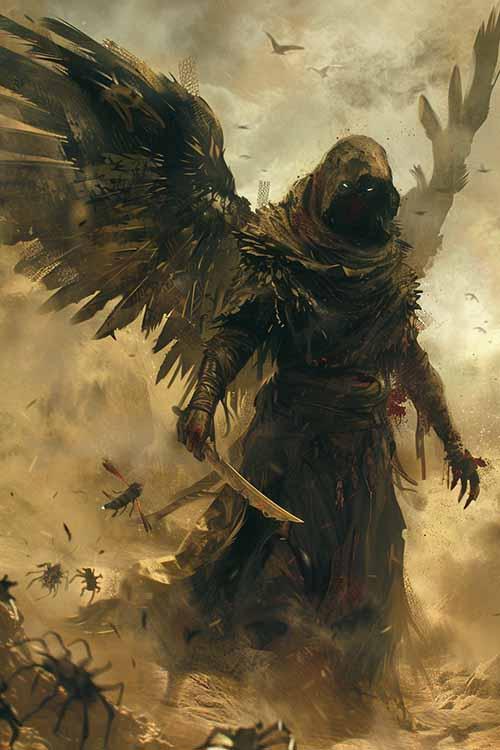
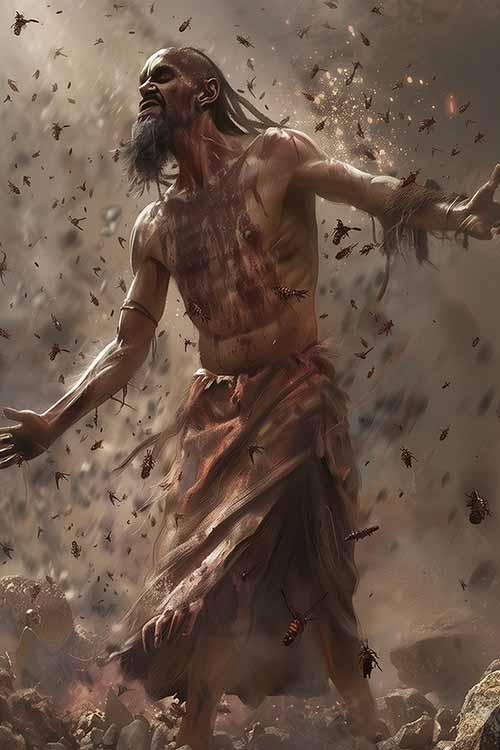
What an Achaea Pariah might look like
Class shapes silhouette; race shapes everything else about a character’s appearance. The art below shows what a Pariah can look like across two of Achaea’s 14 playable races. These are illustrative examples. Any race can play a Pariah.
How to roleplay a Pariah in Achaea
A Pariah’s identity is exile. Your character has crossed a line society won’t follow them across. The Hatun of Ghezavat named you Accursed. You accepted the name. The roleplay anchor is that acceptance, and the long quest for power that follows.
Three things make Pariah roleplay distinct:
You were a Magi first. Per the lore, “most Pariahs begin life as simple Magi.” Your character has a “before”: a time of court wizardry or scholarly magic that they abandoned for forbidden study. Players who write that history into their character (the moment they crossed, what they lost, what they gained) get the strongest material.
The crypt is your home. Charnel’s reshaping abilities give a Pariah a personal crypt, built, decorated, trapped, and guarded. The crypt is where your character lives in a real sense. Treating it as a setting and not a respawn point pays off.
Society reacts. The class name is a sociological judgement. Other characters know the word “Pariah” and what it implies. Targossas will distrust you. Eleusis will refuse you. Mhaldor may welcome you. Ashtan may study you. Hashan may court you. Your character’s social position changes the moment they take the class.
A few practical notes:
The class is relatively new and underplayed. Pariah was unleashed in 850 AF, recent in lore terms. The community is smaller than the established classes. If you want strong identity with a less crowded class, this is sharp.
Combat plays slow and deep. Pariahs aren’t bursters. The crypt takes time to build, swarms take time to enthrall, logographs take time to trace. Patient players get the most out of the class.
The Insidium (Mhaldor) and the Krymenian Academy (Hashan) are the natural homes. Cityless play is also common: many Pariahs decline to integrate with any city.
If you want a class with the deepest death-and-decay roleplay in Achaea, layered slow-build combat through three distinct dark arts, and the strongest “outcast scholar” identity in the game, Pariah delivers.
Other classes to consider
Three classes worth a look if Pariah is on your shortlist (or browse all 21 Achaea classes for the full comparison):
Apostate: Mhaldor’s Daemonic Priest
The Mhaldor dark priest. Same tomb/death/dark-scholar aesthetic but locked to Mhaldor and Evil. Where the Pariah builds a crypt and traces blood logographs, the Apostate binds a Baalzadeen and curses through eye contact. Choose Apostate if you want the dark-scholar identity but with a tighter factional commitment.
Occultist: Ashtan’s Chaos Scholar
The Ashtan dark scholar. Different alignment (Chaos), different mechanics (Chaos Entities, Tarot, the Mysteries). Both classes share the “scholar of forbidden knowledge” identity. Choose Occultist if the Chaos angle appeals more than the desert-and-grave angle.
Shaman: Hashan’s Enigmatic Ritualist
The unrestricted spirit-magic counterpart. Where the Pariah deals in plague, blood, and crypt, the Shaman deals in spirits, curses, and Vodun dolls. Both classes have a “dark mystic” feel. Choose Shaman if you want the spirit-magic identity without the Pariah’s heavy tomb-and-damnation framing.